Quoting Bird Protection Solar Installation: How to Quote Bird Protection as a Standard Solar Installation Package
- Mar 13
- 5 min read
Updated: Mar 28
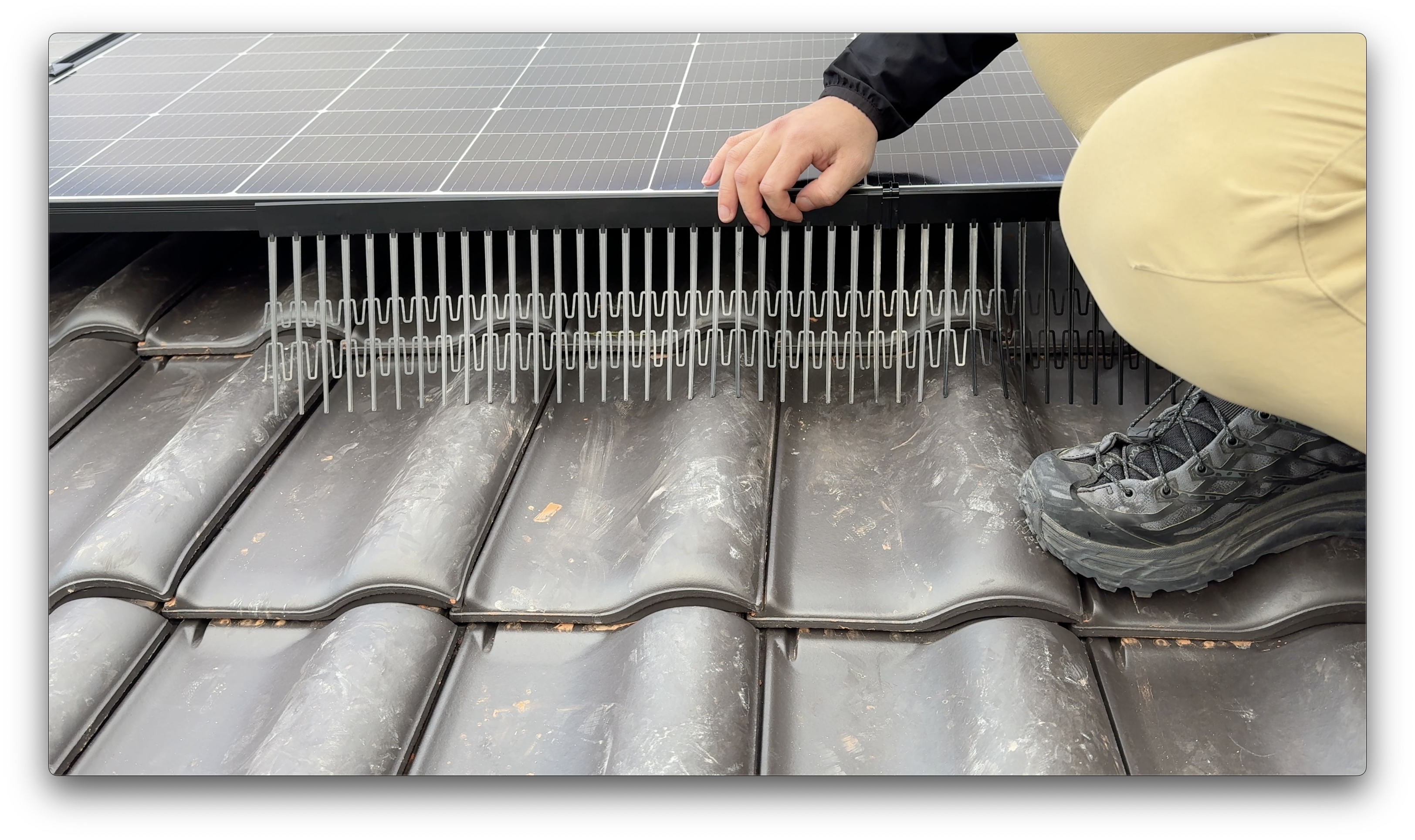
Quoting bird protection solar installation — Bird protection is one of the most effective accessories a solar installer can include in a PV system. The materials are affordable. The installation time is minimal. The long-term benefit — preventing nesting, cable damage, soiling, and costly callbacks — is well documented across the European rooftop solar market.
Yet in most installation companies, bird protection is still listed as an optional add-on at the bottom of the quote. When presented this way, customers frequently remove it to reduce the total price. The result is predictable: within months, bird activity begins beneath the panels, and the installer faces a callback that costs far more than the protection itself.
This article explains how to position bird protection as a standard part of your installation package — and why doing so improves your business, your customer relationships, and your long-term reputation.
Quoting Bird Protection Solar Installation: Why Optional Add-Ons Get Removed
The way an item is presented in a quote directly affects whether a customer accepts it. When bird protection appears in a separate "Optional Extras" section — alongside items like monitoring upgrades or extended warranties — customers treat it as non-essential. It is the first thing to go when they are looking for ways to reduce the total price.
This is not because customers do not value system protection. It is because the framing signals that the installer considers it secondary. If it were truly important, the logic goes, it would be part of the main specification.
Research in service-based industries consistently shows that optional line items are removed at significantly higher rates than items presented as standard. The same principle applies in solar installation: if you want customers to keep bird protection in the quote, stop making it optional.
The Cost of Omitting Bird Protection
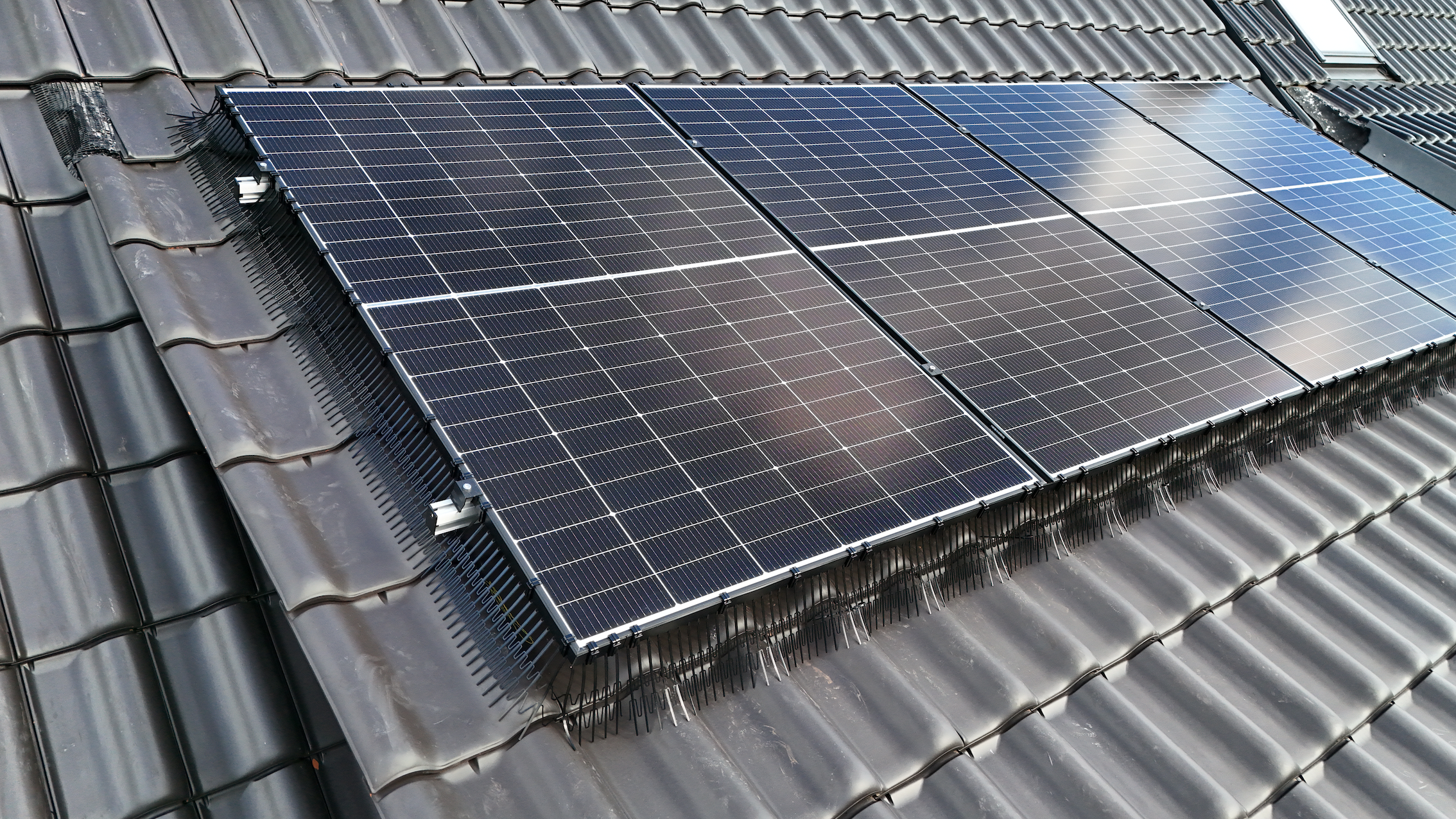
The financial case for including bird protection at commissioning is straightforward.
A single bird-related callback — involving scaffolding hire, nest removal, surface cleaning, cable inspection, and potential connector replacement — typically costs between €350 and €600. In more severe cases where cable damage has occurred or system performance has degraded significantly, the cost can exceed €800.
For the installer, the callback also carries indirect costs: scheduling disruption, reduced availability for revenue-generating work, and the risk of a negative customer review.
By contrast, bird protection fitted at commissioning eliminates all of these risks. The ratio of prevention cost to callback cost is typically between 1:4 and 1:8 — making it one of the highest-return accessories available to a residential solar installer.
How to Present Bird Protection in Your Quote
The key to customer acceptance is positioning. Bird protection should not appear in a separate extras section. It belongs in the main system specification — listed alongside cable management, earthing, and commissioning documentation.
Use a Clear Line Item Description
A concise, professional description removes ambiguity and builds customer confidence. For example:
"Bird protection mesh system (clip-on mesh guard) — prevents bird nesting, cable damage, and soiling beneath PV modules. Non-invasive attachment. No effect on module warranty."
This description tells the customer three things: what it does, how it is fitted, and that it does not affect the warranty. These are the three most common questions customers ask about bird protection — and by addressing them in the quote itself, you eliminate the need for a separate conversation.
Include It in the Specification Section
The most effective placement is within the main system specification, immediately after the module and inverter details. A typical quote structure might look like this:
PV modules (model, quantity, total kWp)
Inverter system (model, type)
Mounting system (type, material)
DC/AC cabling and cable management
Bird protection mesh system
Earthing and lightning protection
Commissioning and system documentation
When bird protection appears in this context, customers perceive it as a standard quality measure — not as an upsell.
Price It Transparently
Customers respect transparency. Show the bird protection cost as a separate line item — do not hide it in the total. When customers can see that it represents a small fraction of the overall installation price, they are far less likely to question or remove it.
What Happens When You Make It Standard
Installers who have transitioned bird protection from optional to standard report a consistent pattern of results.
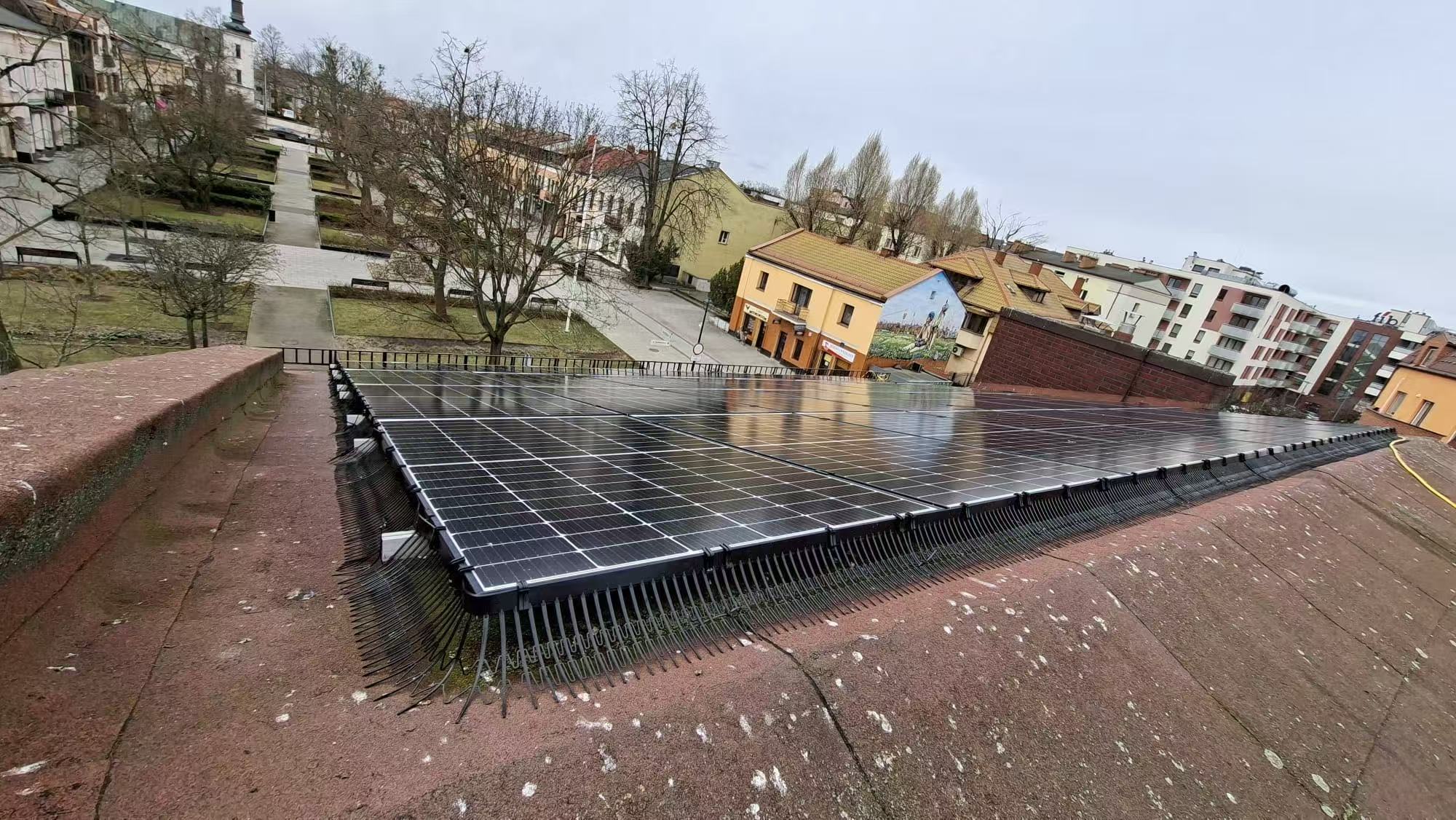
Customer Removal Rate Drops to Near Zero
When bird protection is presented as part of the standard specification with a clear explanation, customer removal rates fall dramatically. Most installers report that fewer than 5% of customers ask to remove it — and even then, a brief explanation of the callback risk is usually sufficient to retain the line item.
Average Installation Value Increases
Including bird protection as standard naturally increases the average ticket value per installation. On a residential system, this adds €60–€150 per job. Over 50 installations per year, this represents an additional €3,000–€7,500 in revenue — with minimal additional labour.
Bird-Related Callbacks Disappear
This is the most significant financial impact. Installers who fit protection at commissioning as standard report zero bird-related callbacks. Given that even one or two callbacks per year can cost €700–€1,200 in direct expenses and scheduling disruption, the avoided cost far exceeds the cost of fitting protection on every system.
Professional Reputation Improves
Customers notice when an installer has thought beyond day-one performance. Including bird protection signals to the customer that you are planning for the long-term reliability of their system — not just the initial sale. This translates directly into stronger reviews, higher referral rates, and a more professional brand.
Addressing Common Objections
"My customers will think I am trying to upsell them."
Customers only perceive bird protection as an upsell when it is presented like one — in a separate add-on section with optional pricing. When it is part of the standard specification, it is perceived as a standard quality measure. The framing determines the response.
"Not all installations have bird problems."
This is technically true — but the difficulty is that no installer can reliably predict which installations will be affected. Pigeon populations are present across most European urban and suburban areas, and the sheltered cavity beneath PV modules is an ideal nesting site. Proactive protection on every system eliminates the guesswork.
A Practical Approach for Your Next Quote
If you have not yet made bird protection standard, consider the following approach:
Add bird protection to your next ten quotes as a standard line item in the main specification section.
Use a clear, professional description that explains what it does and confirms it is non-invasive.
Track how many customers ask to remove it.
Track any bird-related callbacks on systems where protection was not fitted.
Compare the results after one quarter.
The data tends to make the case on its own. Most installers who trial this approach do not go back to treating bird protection as optional.
Conclusion
Quoting bird protection as a standard part of your solar installation package is not a sales technique. It is a quality decision that protects the system, protects the customer, and protects your business from avoidable callbacks and reputation risk.
The cost is minimal. The fitting time is negligible. The customer acceptance rate is high. And the long-term financial and reputational benefits are clear.
If you are still listing bird protection as an optional extra, consider making the switch. One line item in your quote can eliminate years of potential bird-related problems — for you and for your customer.
Comments