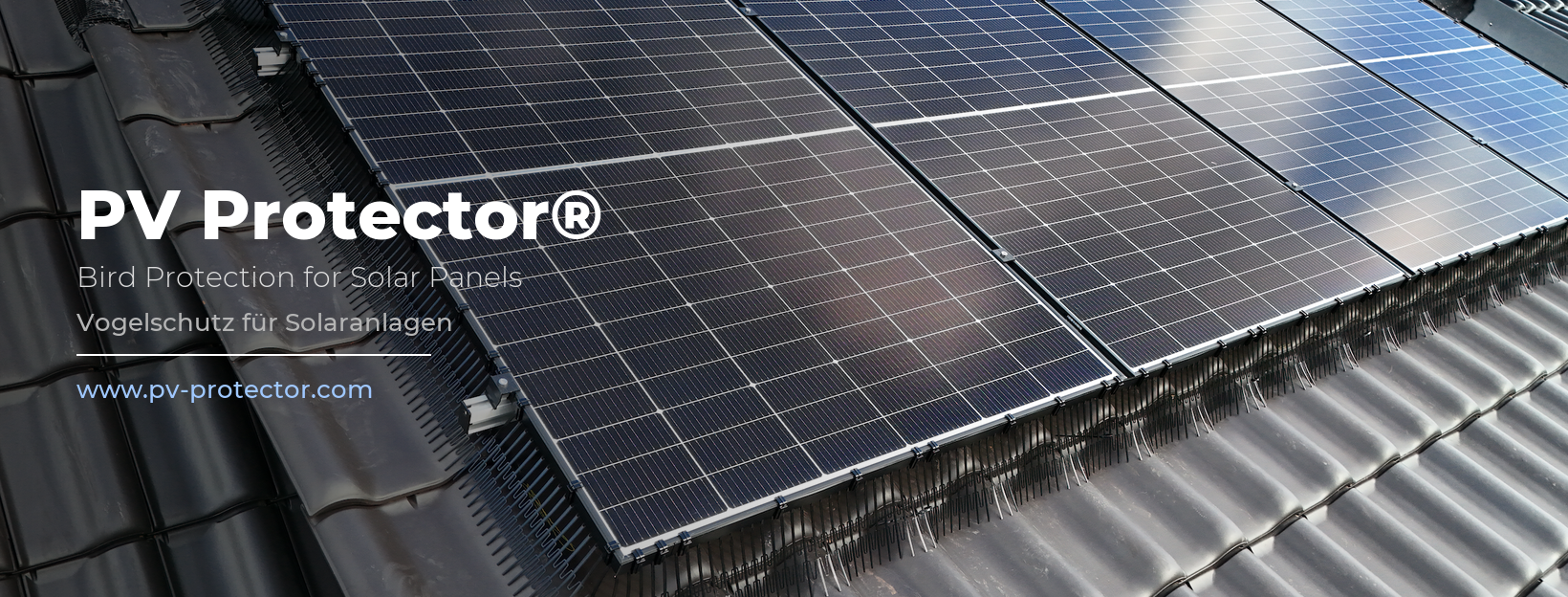
Bird Problems Solar Panels: The Hidden Maintenance Costs of Bird Activity on Rooftop PV Systems
Updated: Apr 11
Bird Problems Solar Panels: Bird Problems on Rooftop PV Systems
bird problems solar panels — Operations and maintenance costs are one of the least-discussed elements of rooftop solar economics — and one of the most consistently underestimated. For residential and commercial system owners, the assumption is often that solar panels are a low-maintenance asset once installed. In practice, systems located in areas with significant bird populations generate a pattern of recurring maintenance expenditure that, over a 20–25 year system lifetime, adds up to a meaningful sum. Understanding what bird activity actually costs — and where those costs originate — is useful context for installers advising clients on long-term system economics.
Soiling from Bird Droppings: A Different Problem to Dust
General dust soiling on solar panel front glass is a well-understood maintenance issue. Rain typically provides partial self-cleaning, and scheduled cleaning intervals can be planned and budgeted. Bird dropping soiling behaves differently.
Droppings from pigeons and other roosting birds form hardened deposits on the module surface that are resistant to rain washing. Concentrated deposits — particularly from roosting birds that return repeatedly to the same location — create persistent soiling patches that reduce light transmission in a localised area of the cell layout.
The consequence of localised shading in a crystalline silicon module is not simply a proportional reduction in output. Cells that are shaded while neighbouring cells continue to generate current are forced to carry that current without contributing to it, generating heat in the shaded area. This is the mechanism behind hotspot formation — a condition that, if sustained, can cause cell degradation and in severe cases, delamination of the module encapsulant. Bypass diodes in the module junction box are designed to limit hotspot effects, but they do not eliminate the energy yield impact of sustained soiling.
For system owners and O&M providers, bird dropping soiling typically requires manual cleaning — a pressure washer and appropriate cleaning solution applied by a technician on-site. A single cleaning visit to a residential installation typically costs variable costs in labour depending on market rates, system accessibility, and the number of modules requiring attention.
Blocked Ventilation and Thermal Performance
Crystalline silicon solar modules — which represent the large majority of installed panels in Europe — lose efficiency as their operating temperature increases. The standard test condition temperature is 25°C; above this, power output decreases at a rate specified in the module's temperature coefficient, typically in the range of -0.35% to -0.45% per °C for current-generation monocrystalline modules.
Rooftop PV arrays are designed with a gap between the rear of the module and the roof surface. This gap serves as a passive ventilation channel, allowing airflow to remove heat from the module rear surface and reduce operating temperature relative to what it would be in a fully sealed mounting configuration.
Nesting material beneath a module — particularly the dense, insulating materials used by pigeons and sparrows — can partially or fully block this ventilation gap. When airflow is restricted, module operating temperatures increase. The energy yield impact varies with climate, module characteristics, and the extent of blockage, but in heavily infested systems operating through warm summer months, the reduction is measurable over a full monitoring period.
For a system owner looking at annual yield figures, this represents a persistent reduction in return on investment. For an O&M provider, it represents a condition that should be documented and addressed as part of a routine inspection protocol.
Unscheduled Maintenance Visits — The Real Cost Driver
Scheduled maintenance is a predictable cost that system owners can plan and budget for. Unscheduled visits — responding to a client report, a monitoring alert, or a discovered problem — are significantly more disruptive and typically more expensive per visit, as they require mobilisation of a technician outside the planned schedule.
Bird-related issues generate unscheduled visits in several scenarios:
Nest removal — Once nesting is established, removal before protective measures can be installed requires a dedicated site visit. Nest clearance on a residential system typically involves working at height on the roof, removing accumulated material from beneath multiple modules, and bagging and disposing of the material safely (bird droppings and nesting material present hygiene considerations for the technician).
Cable inspection — Following nest removal, responsible practice requires inspection of the DC cable runs beneath the affected modules. Nesting activity can cause abrasion of cable insulation; any damage identified requires cable repair or replacement before the system is returned to service.
Follow-up visits — Where protective measures were not installed after the initial nest removal, there is a high probability of re-infestation, generating a further unscheduled visit.
For a residential system, the combined cost of a single reactive intervention — site visit, nest removal, cable inspection, and protective mesh installation — can easily reach variable costs or more depending on system size and local labour rates.
What O&M Providers Are Recommending
Across the European solar market, O&M providers working with portfolios of rooftop installations have increasingly incorporated bird protection specification into their maintenance programmes. The consistent finding is that systems with physical mesh protection in place have lower unscheduled maintenance frequency related to bird activity, and that the cost of commissioning-stage protection is recovered within the first reactive intervention it prevents.
For installers advising clients at the point of system purchase, this is a straightforward value-of-protection calculation: the cost of PV Protector® mesh installed at commissioning versus the likely cost of the first reactive maintenance visit, without accounting for the ongoing yield impact of an unprotected system.
Practical Steps for System Owners and Installers
For system owners with existing installations:
Schedule an inspection if bird activity is observed around the installation
Ask your installer or O&M provider to check beneath modules for nesting material as part of any service visit
If nesting is found, request nest removal and cable inspection before protection is installed
For installers at the commissioning stage:
Include bird risk assessment in the pre-installation survey
Specify bird protection in the project quote for systems in areas with identified bird risk
Install protection before commissioning sign-off to avoid reactive visits under warranty
Conclusion
Bird activity generates a specific and predictable pattern of maintenance cost in rooftop PV systems. The costs — unscheduled site visits, nest clearance, cable inspection, cleaning, and yield reduction — are individually manageable but cumulatively significant over a system lifetime. Physical mesh protection installed at commissioning is the most cost-effective point at which to address this risk.
For more information about PV Protector® bird protection systems, visit www.pv-protector.com or contact your local solar distributor.
Comments