
Solar Panel Inspection Frequency: How to Identify Bird Damage During a PV System Inspection
Solar panel inspection frequency — Bird-related damage in rooftop PV systems is often not immediately visible from ground level, and it does not always trigger alerts in system monitoring until it has progressed to a point where the remediation cost is already significant. For solar installers and O&M providers conducting site inspections, knowing specifically what to look for — and where — substantially improves the quality and practical value of the inspection.
This article provides a structured approach to identifying bird damage indicators during a PV inspection, from roof surface level to the cable runs beneath the modules.
Solar Panel Inspection Frequency: Step 1: Assess the Roof Surface Before Accessing the Array
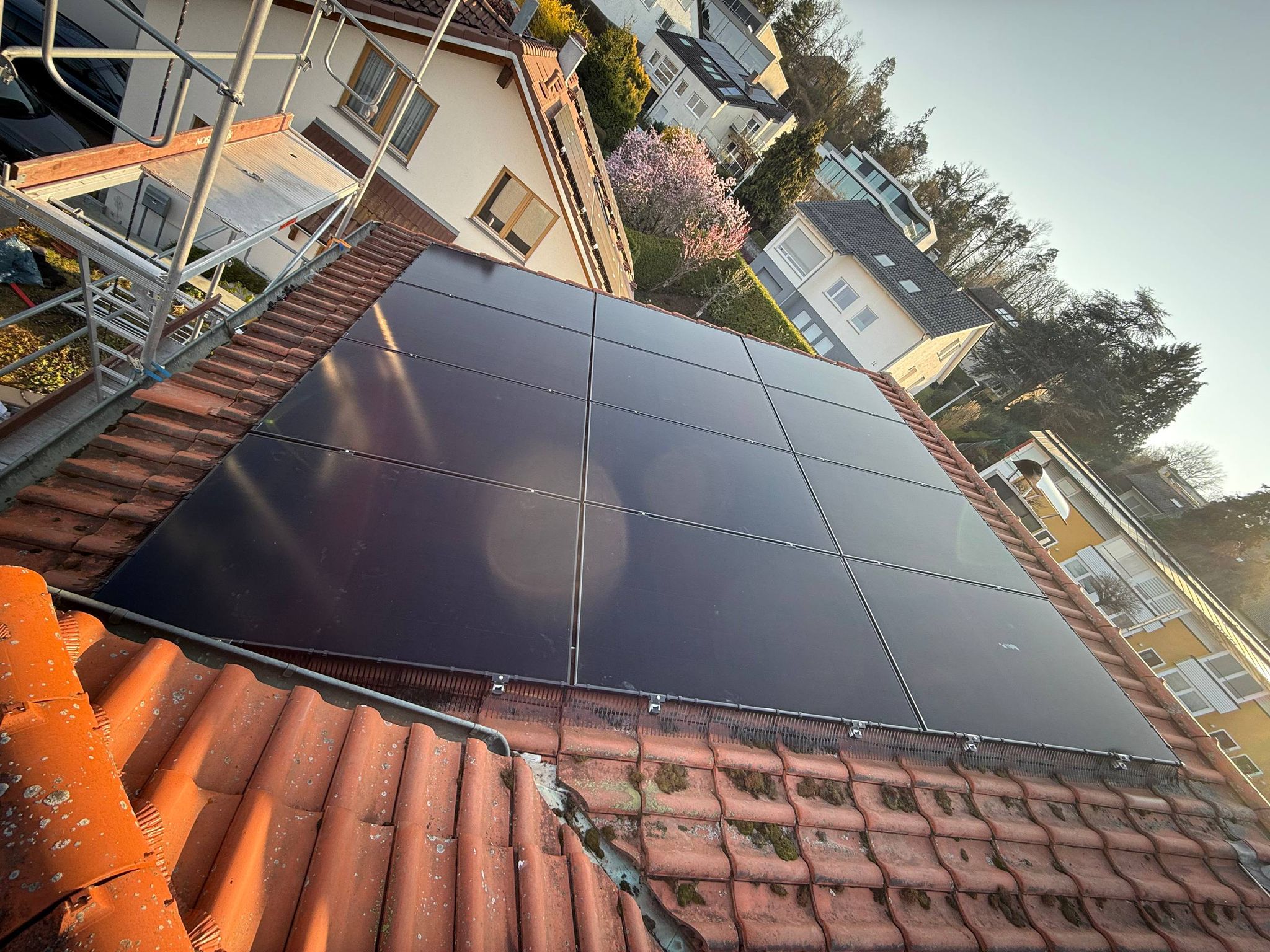
Before climbing the roof, a visual assessment from the ground and from the roof access point gives important context:
Dropping distribution pattern: General rooftop soiling from pigeon roosting is distributed broadly across the roof surface. Concentrated droppings in lines tracking the panel edge positions are a more specific indicator of nesting activity beneath the modules — birds enter and exit the cavity at the frame perimeter, creating a localised dropping pattern along the module edges.
Nesting material at panel edges: Straw, dried grass, feathers, or other nesting materials visible at the gap between panel frame and roof surface are an unambiguous indicator of active or recent nesting. Even a small quantity of visible material typically indicates a more substantial nest deeper in the cavity.
Droppings on module front surface: Concentrated soiling at module edges rather than distributed across the glass surface suggests birds are exiting from beneath the panels rather than roosting on top. Both patterns occur, but the edge-concentrated pattern indicates nesting activity.
Step 2: Access and Visual Inspection of Panel Frame Perimeter
With roof access, inspect the panel frame perimeter at each module:
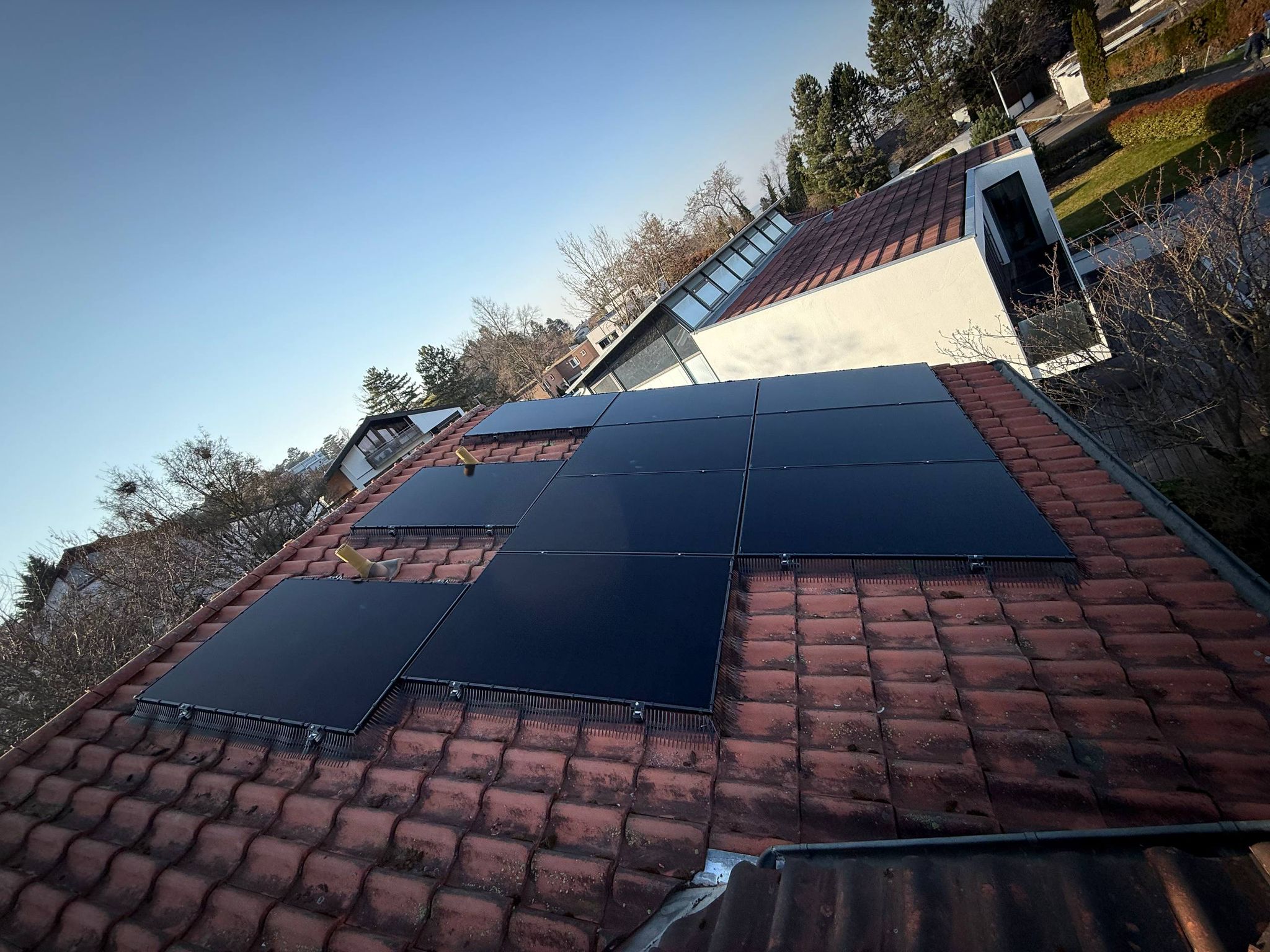
Frame gap assessment: The standard gap between an aluminium PV module frame and the roof surface is the primary entry point for nesting birds. Gaps that have been widened by bird activity, or that show scratching and soiling at the entry point, indicate repeated bird access.
Nesting depth and composition: Where nesting material is visible, assess the depth of the nest cavity. A shallow nest of loose material near the frame perimeter is an early-stage infestation. A compacted nest extending deep beneath the module indicates an established colony with multiple breeding cycles of accumulated material.
Cable visibility at perimeter: Where DC cables pass near the frame perimeter, examine any visible cable sections for signs of abrasion or damage to the outer jacket. Cable runs positioned near nest entry points are at greatest risk of mechanical abrasion from nesting activity.
Step 3: Undermodule Inspection
Where nest material depth or cable visibility concerns identified in Step 2 warrant it, undermodule inspection requires either partial module lift (for hinged or tilt-release mounting systems) or camera-based inspection:
Cable jacket integrity: The DC cable outer jacket should be continuous and intact. Look for abrasion marks that have exposed the inner jacket or conductor insulation, cuts or mechanical damage at points where cable contacts mounting rail edges, and cable runs passing through or adjacent to nest material accumulations.
Connector condition: MC4 connectors beneath the modules should be examined for contamination from organic matter, which can trap moisture and contribute to connector degradation.
Accumulation depth: Note the depth and distribution of nesting material. Where material is in contact with cable runs or in proximity to junction boxes, this should be recorded and addressed.
Step 4: Module Front Surface Soiling Assessment
Bird dropping soiling on module glass requires specific assessment because it presents a different performance risk than general dust soiling:
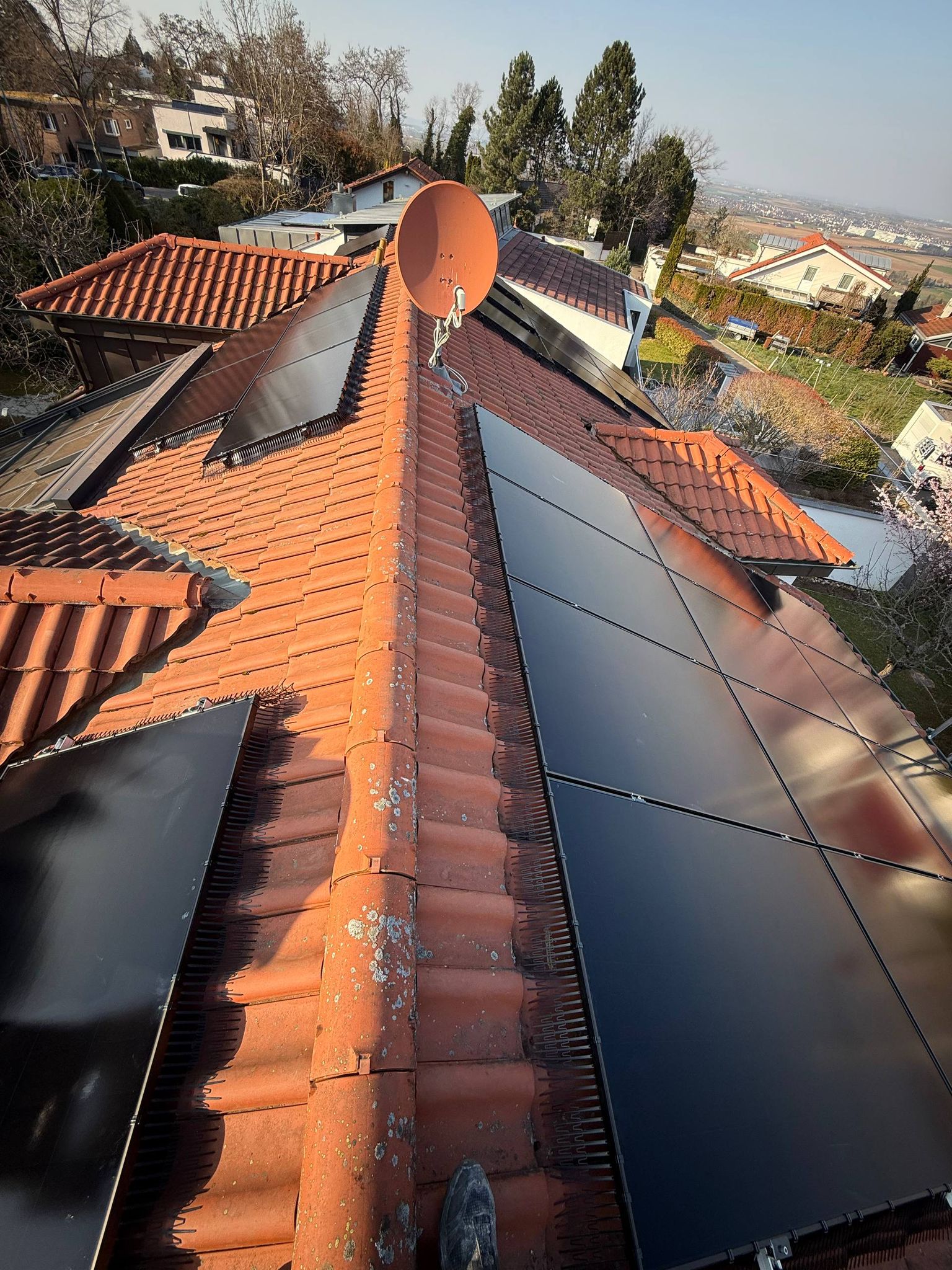
Hotspot indicators: Concentrated soiling patches on module glass, particularly at lower module portions where droppings accumulate from above, create localised shading that can lead to hotspot conditions. If thermal imaging is available, soiled modules should be included in the thermal inspection.
Deposit hardness: Recent pigeon droppings can be removed with water. Hardened deposits from dried droppings require specific cleaning methods and may leave faint surface contamination even after cleaning. Document soiling severity as part of the inspection record.
Step 5: Monitoring Data Correlation
Where a monitoring system is installed, compare inspection findings against system performance data:
String-level yield variation: Underperforming strings — particularly if the underperformance is gradual rather than sudden — can indicate accumulated soiling or ventilation restriction from nesting in that section of the array.
Inverter fault history: Ground fault or arc fault events in the monitoring history may indicate cable insulation compromise from bird activity. This data point, combined with visual cable damage findings, supports a more urgent remediation recommendation.
Inspection Record and Recommendations
An inspection that identifies bird activity should record the number of modules affected and location within the array, the presence and depth of nesting material, cable condition assessment, soiling severity rating per affected module, monitoring data anomalies correlated with affected array sections, and recommended actions including nest removal, cable inspection, cleaning, and bird protection installation.
Recommended Action Sequence After Identified Infestation
The recommended sequence after identifying bird infestation is: (1) Nest removal — dry material removal from beneath affected modules, noting that active nests with eggs or chicks are subject to wildlife protection regulations in most EU countries. (2) Cable inspection — visual and thermal assessment of all cable runs beneath affected modules. (3) Cable replacement — where insulation damage is confirmed. (4) Module cleaning — front surface cleaning of affected modules. (5) Bird protection installation — perimeter mesh around all affected and adjacent modules before the site is left.
Completing steps 1–4 without step 5 leaves the system vulnerable to immediate re-colonisation.
For more information on PV Protector® bird protection systems for solar installers, visit www.pv-protector.com
Comments