
Pigeon Behaviour Urban Solar Panels: What Installers Need to Know
Pigeon behaviour urban solar panels — Published by PV Protector® | Category: Problem Awareness / Installation
Feral pigeons are not simply an aesthetic problem for rooftop solar installations. They are a well-studied species with predictable colonial behaviour, and understanding that behaviour helps installers anticipate where the risk is highest and why early intervention is more effective than reactive remediation.
This article covers the key aspects of feral pigeon biology and behaviour that are directly relevant to PV system management.
Pigeon Behaviour Urban Solar Panels: Why Pigeons Have Adapted So Successfully to Urban Environments
The feral pigeon (Columba livia domestica) is a domesticated and subsequently feral descendant of the rock dove, a cliff-nesting species native to coastal and rocky environments across Europe and parts of Asia. The ecological traits that allowed rock doves to thrive on cliff ledges — nesting on elevated, sheltered horizontal surfaces, proximity to concentrated food sources, comfort with human presence — translate with remarkable accuracy to the urban environment.
Rooftop PV installations represent, from the pigeon's perspective, an artificially elevated cliff ledge: sheltered, elevated above ground predators, thermally favourable, and reliably available across multiple nesting seasons.
Colonial Nesting and the Expansion Problem
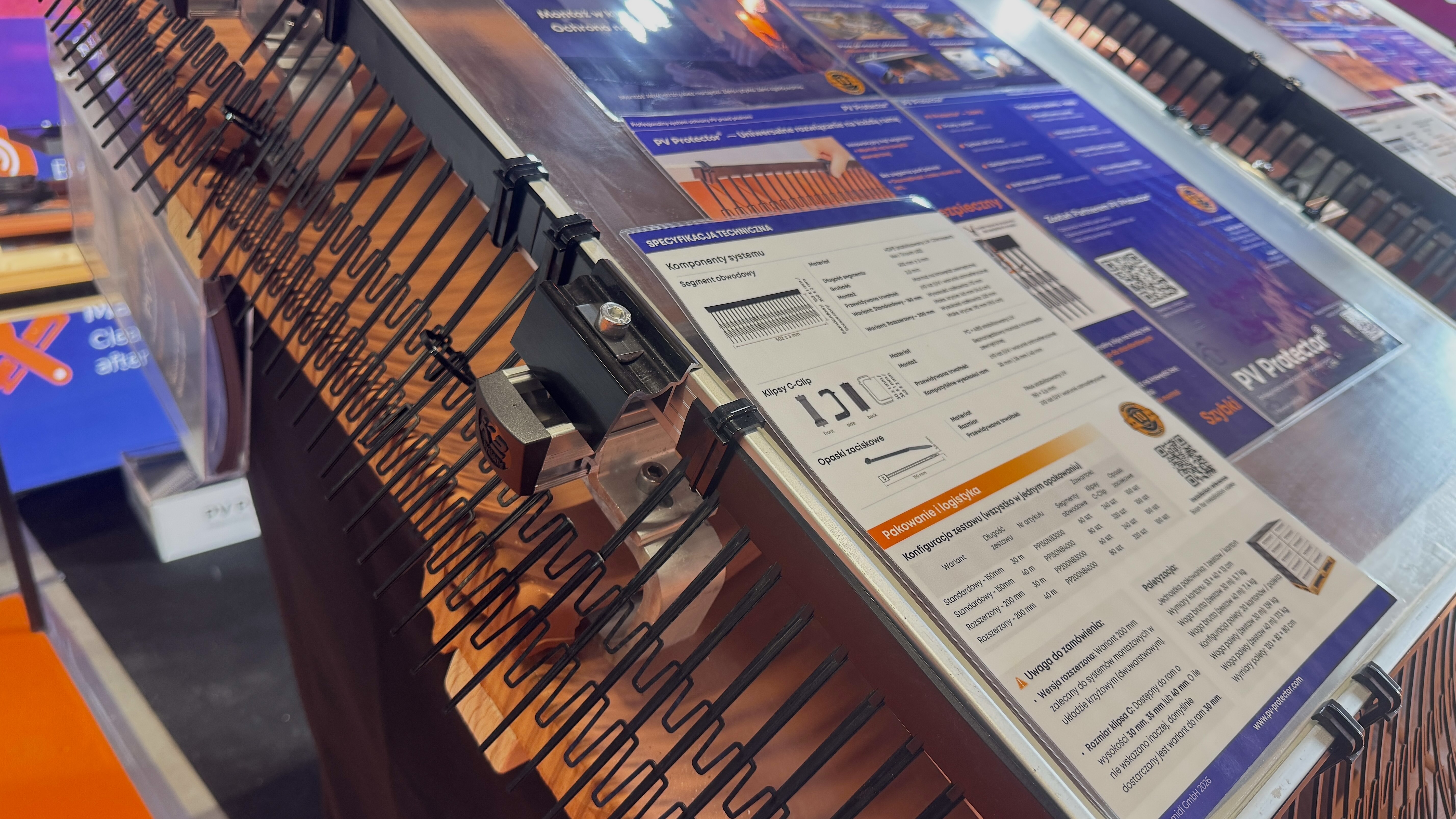
Pigeons are colonial nesters. A pair that establishes beneath a solar module does not simply nest quietly and leave. The breeding pair returns to the same site across multiple seasons. Offspring from the nest often establish adjacent nesting positions when they mature. Established nesting colonies attract additional birds through social cues — visible activity, droppings, and vocalisation signals to other pigeons that the site is occupied and safe.
This colonial dynamic means that an infestation that begins under two or three modules can extend across a full array within two or three breeding seasons if left unaddressed. The practical consequence for installers is that the cost and complexity of remediation scales with time: a nest under one module is a manageable reactive task; a colony occupying half an array is a significant intervention.
Breeding Seasons and Activity Timing
Feral pigeons breed opportunistically throughout the year in milder European climates, though nesting activity peaks in spring (March–May) and late summer (August–September). Unlike many wild bird species, urban pigeons are not strictly seasonal breeders — a pair in a sheltered urban nesting site may complete four or more breeding cycles per year.
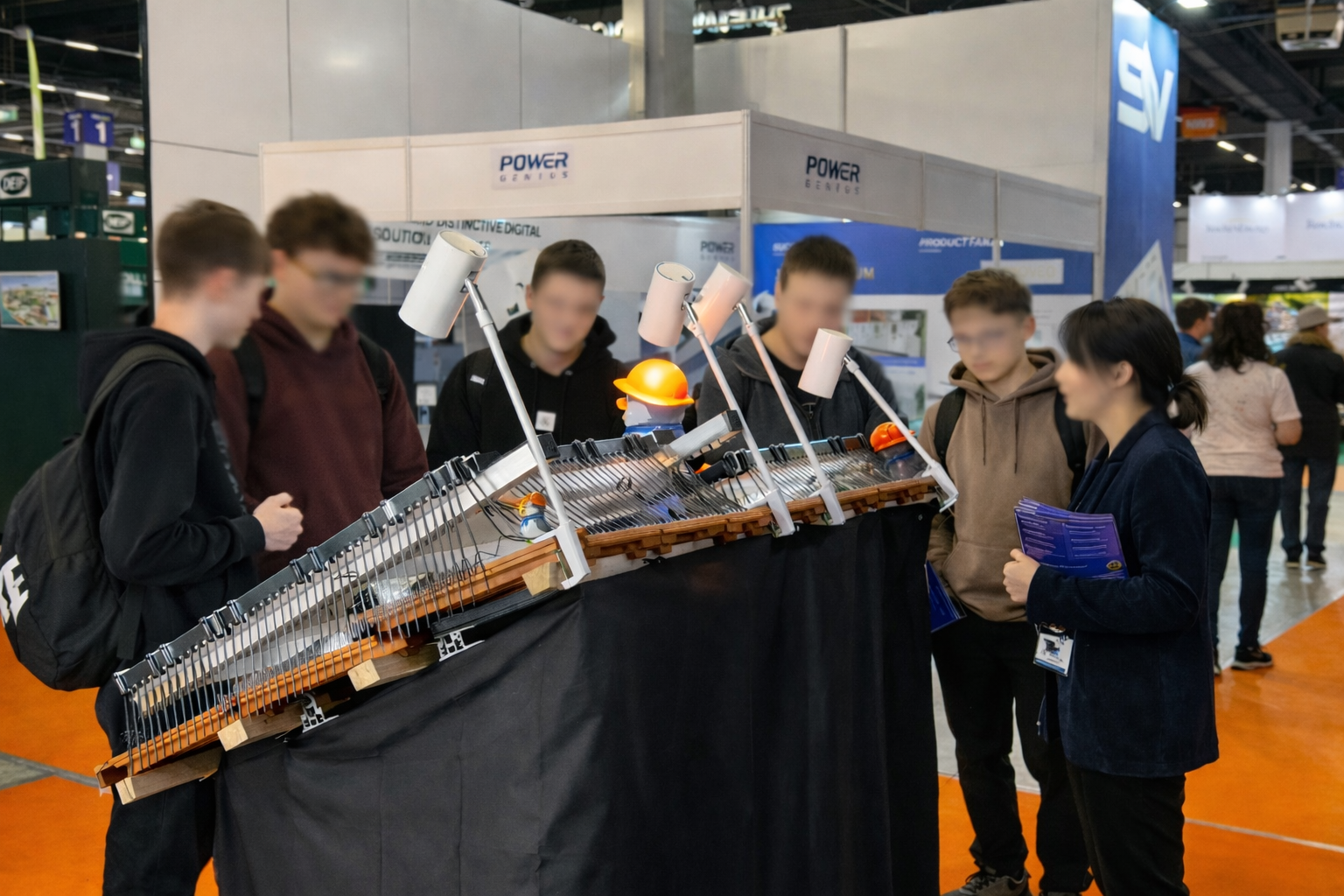
For PV system managers, this means there is no reliable off-season for the problem. A nest established beneath modules in October is as plausible as one established in April. The only reliable management window is before the first pair establishes — at commissioning.
Territorial Behaviour and Deterrent Limitations
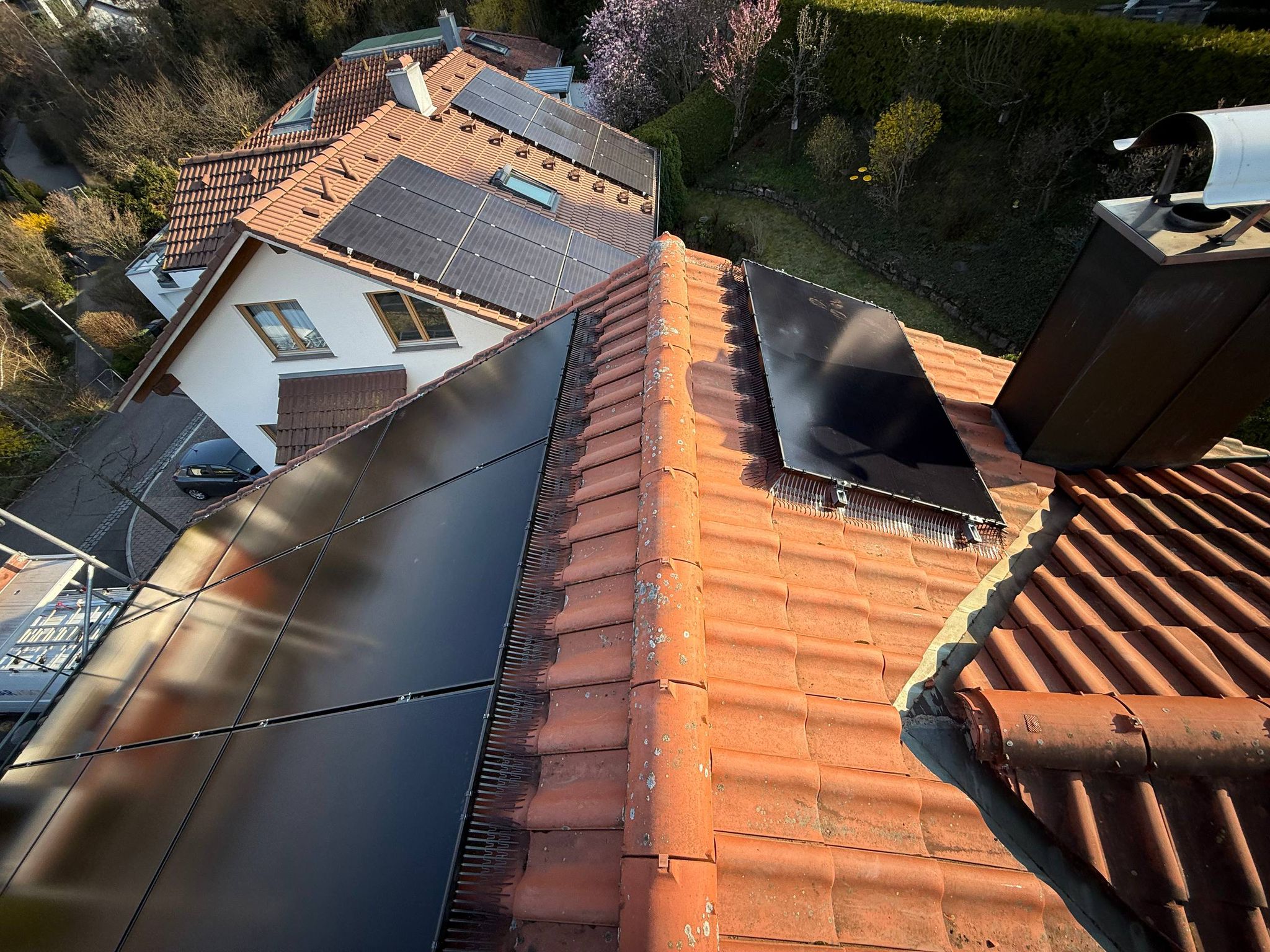
Once a nesting site is established, pigeons exhibit strong site fidelity — they return to the same location repeatedly across seasons. This territorial attachment is one of the reasons passive deterrents (reflective tape, predator silhouettes, ultrasonic devices) have limited long-term effectiveness against established nesting birds.
A pigeon pair that has already identified the space beneath a solar module as a nesting site will typically habituate to new acoustic or visual deterrents within a short period, particularly when the underlying site advantages — shelter, warmth, elevation — remain available. Habituation timelines reported in urban bird management literature are typically measured in days to weeks.
This is a practically important point for installers advising clients who are considering lower-cost deterrent options: passive deterrents may displace birds temporarily, but they are not a reliable long-term solution for an established colony. Physical exclusion — removing access to the nesting cavity itself — is the approach with consistent long-term effectiveness.
Which Bird Species Are Typically Involved
While feral pigeons account for the majority of bird-related PV complaints across Europe, two other species are commonly encountered:
House sparrows (Passer domesticus) exploit smaller cavity openings — the panel frame-to-roof gap is particularly attractive for sparrows on residential systems with smaller frame profiles. They nest in higher density and more frequently than pigeons, and the nesting material they use tends to be finer and more likely to work into cable areas.
Common starlings (Sturnus vulgaris) are primarily a roosting rather than nesting concern. Large starling flocks roosting on or near PV arrays produce significant soiling loads and can contaminate module front surfaces rapidly during roosting periods (typically autumn and early winter). Starling roosting beneath panels is less common but documented.
The Installer's Practical Takeaway
Understanding pigeon and bird behaviour provides a clearer rationale for why protection installed at commissioning is the correct professional position:
The risk of colonisation is not a random event — it is a predictable consequence of installing elevated, thermally attractive, sheltered cavities in environments where colonial nesting birds are present. In most European urban and suburban locations, those birds are present.
The cost of addressing colonisation after the fact is consistently higher than the cost of exclusion at commissioning — in direct labour, materials, and client relationship management.
Recommending PV Protector® clip-mounted mesh at the initial installation is not upselling an accessory. It is applying an understanding of bird behaviour to give the client a complete, professionally protected system.
For more information on PV Protector® bird protection systems for solar installers, visit www.pv-protector.com
Comments