
Bird Block Solar Panel Ventilation: How Birds Block Solar Panel Ventilation and Cause Overheating
Bird Block Solar Panel Ventilation: Why Ventilation Matters for Solar Panel Performance
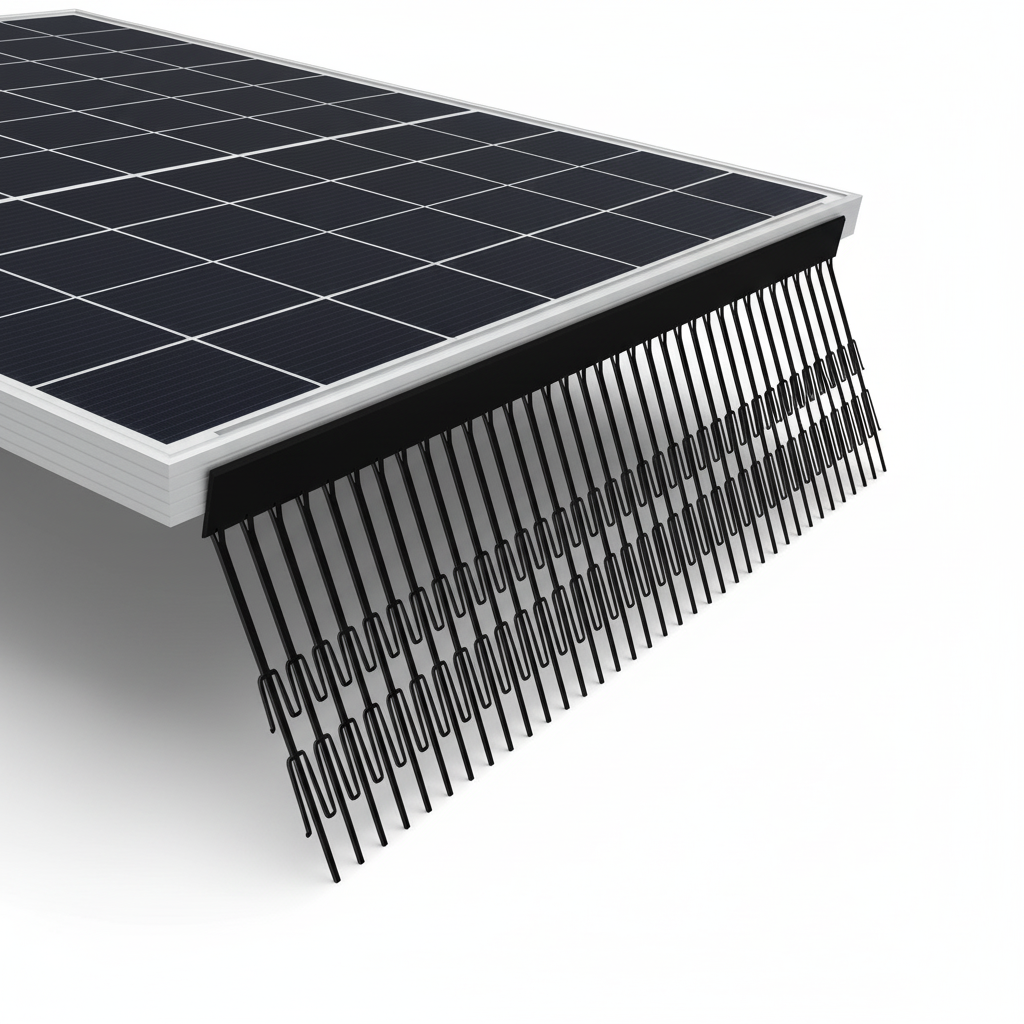
Birds block solar panel ventilation — Every photovoltaic module is engineered to operate within a specific temperature range. The gap between the panel and the roof surface is not just a structural detail — it is a thermal management feature. Convective airflow through this gap removes excess heat from the underside of the module, keeping cell temperatures closer to optimal operating conditions.
Crystalline silicon solar cells — the dominant technology in residential and commercial installations across Europe — lose approximately 0.3% to 0.5% of their rated output for every degree Celsius above 25°C. On a warm summer day, module temperatures can easily reach 55–65°C under normal conditions. The ventilation gap helps limit this temperature rise by allowing ambient air to circulate beneath the panels.
When that airflow is compromised, the consequences are measurable and cumulative.
How Bird Activity Blocks the Ventilation Gap of Solar Panel
Birds — particularly pigeons, starlings, and sparrows — are attracted to the sheltered space beneath rooftop solar panels. It provides protection from wind, rain, and predators, making it an ideal nesting site in urban and suburban environments.
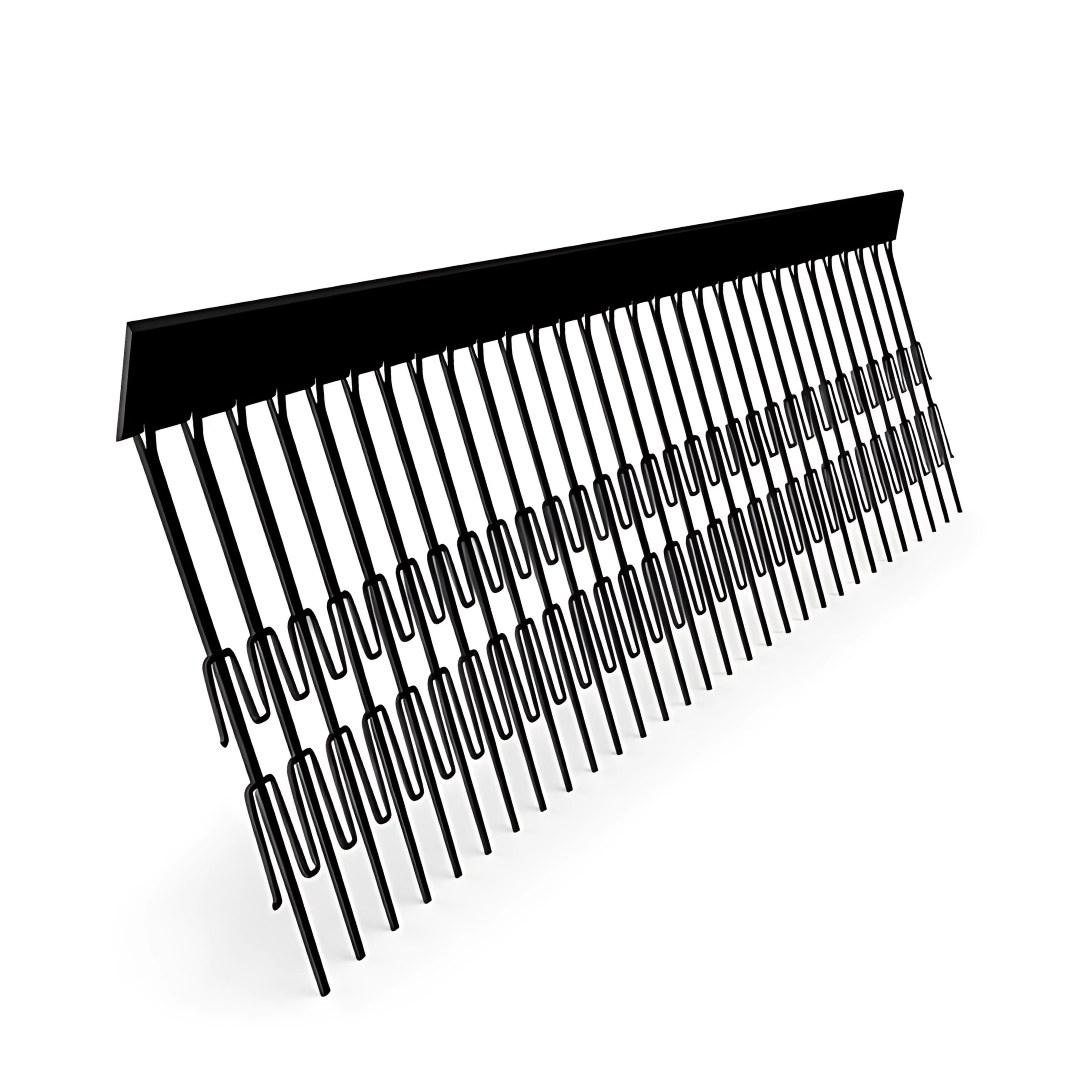
Over time, birds introduce significant volumes of organic material into the space beneath solar panels. Nesting materials such as twigs, straw, leaves and feathers accumulate between and beneath modules, while droppings build up on rear surfaces, mounting structures and cables. Loose debris further restricts airflow, highlighting the importance of effective Bird Block Solar Panel Ventilation solutions.
The result is a progressive blockage of the ventilation path. In severe cases, the gap between the module and the roof surface is almost entirely filled, eliminating convective cooling altogether.
The Thermal Impact: Measurable Performance Loss
When ventilation is restricted, panel operating temperatures increase. Field studies and thermal imaging inspections have documented temperature increases of 10–15°C on modules with significant debris accumulation beneath them, compared to clean, unobstructed panels on the same roof.
This temperature increase translates directly into energy loss. A 10°C increase above the standard test condition baseline results in approximately 3–5% lower energy yield. On systems where nesting material has been accumulating for multiple seasons, the combined effect of blocked ventilation and surface soiling from droppings can push total losses to 7% or more.
For a typical 10 kWp residential system generating around 10,000 kWh per year, a 5% loss represents 500 kWh annually — energy that is simply lost to heat that should have been dissipated through natural airflow.
Beyond Energy Loss: Accelerated Module Degradation
The impact of elevated operating temperatures extends beyond immediate yield loss. Sustained high temperatures accelerate several degradation mechanisms within photovoltaic cells and encapsulant materials.
Potential-induced degradation (PID) progresses faster at elevated temperatures. Encapsulant yellowing — which reduces light transmission to the cells — is temperature-dependent and accelerates significantly above 60°C. Thermal cycling stress on solder joints and cell interconnects increases when peak operating temperatures are higher.
These degradation effects compound over the 25–30 year expected lifespan of a PV system. A module that consistently operates 10–15°C above its design temperature will degrade faster and reach its end-of-life performance threshold sooner than an identical module with unobstructed ventilation.
A Commonly Misdiagnosed Problem
One of the challenges with ventilation-related performance loss is that it is often misattributed to other causes. System owners and monitoring platforms flag reduced output, and the diagnostic process typically focuses on inverter faults, shading changes, string configuration issues, or general soiling.
Rarely does the initial investigation include a physical inspection of the space beneath the modules. Bird nesting material accumulates gradually — often over months or years — and the associated performance decline is correspondingly gradual. Without a specific reason to look underneath the panels, the root cause can go unidentified for extended periods.
Thermal imaging with infrared cameras during operation is one effective diagnostic tool. Hot spots on the rear surface of modules can indicate areas where airflow is blocked. However, this is a reactive approach — the damage is already occurring by the time it is detected.
Prevention: Keeping the Ventilation Gap Clear
The most effective approach to maintaining ventilation beneath PV modules is to prevent birds from accessing the space in the first place. A professional mesh barrier system, installed around the perimeter of the panel array, blocks entry while preserving the airflow path.
PV Protector® is designed specifically for this purpose. The clip-mounted mesh system attaches to the module frame without drilling, adhesives, or modifications that could affect the panel warranty. The mesh grid allows air to pass freely while preventing birds and nesting material from entering the ventilation gap.
For installers, including bird protection at the point of initial installation is the most cost-effective approach. The ventilation gap is preserved from day one, and the system owner avoids the cumulative thermal losses that begin as soon as nesting activity starts.
For existing installations where nesting has already occurred, a retrofit approach involves removing accumulated debris and nesting material, inspecting cables and connections for damage, and then installing a mesh barrier to prevent reoccurrence. While the retrofit process is more involved, the performance recovery and prevention of further degradation make it a worthwhile investment.
What Installers Should Communicate to System Owners
Many system owners are unaware that the space beneath their solar panels can become a habitat for birds, and even fewer understand the thermal performance implications. Installers are in the best position to educate clients on this topic — both at the point of sale and during maintenance visits.
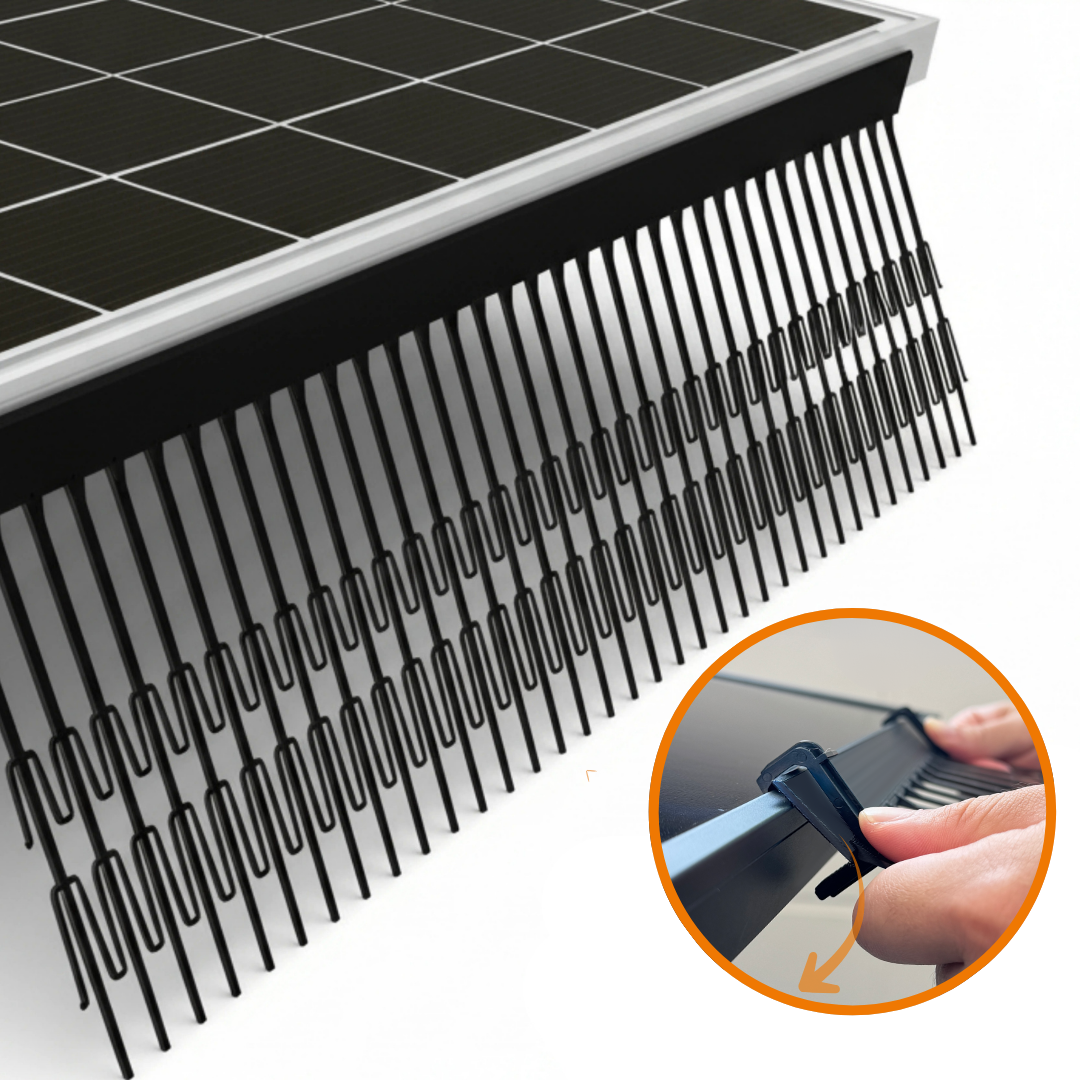
Key points to communicate include the role of the ventilation gap in panel performance, the risk of bird nesting in the local area, the gradual nature of the problem and why it often goes unnoticed, and the availability of professional protection systems that preserve both the warranty and the airflow.
Framing bird protection as a performance preservation measure — rather than a pest control issue — helps clients understand the value in terms they already care about: energy yield and return on investment.
Conclusion
The ventilation gap beneath solar panels is a critical component of system performance. When birds block that airflow with nesting material and debris, the consequences extend from immediate energy loss to long-term module degradation. For installers and system owners across Europe, proactive bird protection is not an optional accessory — it is a measure that directly supports the thermal performance and longevity of the PV investment.
Comments