
Protect Solar Panels from Birds: The 2026 EU Fleet Review
Halfway through 2026, the European solar story is no longer only about how much new capacity gets built — it is increasingly about how well the existing fleet is kept in shape. That shift changes what it means to protect solar panels from birds: what used to be an afterthought on a new-build quote is turning into a recurring service line on arrays that have already been on the roof for years. Here is where the market stands, what the numbers say, and what that means for installers, EPCs and system owners for the rest of the year.
A 400 GW Fleet Changes the Job
The headline numbers from SolarPower Europe's latest EU Market Outlook frame the year. The EU reached its interim target of 400 GW of installed solar by the end of 2025, closing the year at roughly 406 GW. At the same time, annual additions fell to 65.1 GW in 2025 — about 0.7% below the 65.6 GW of 2024 and the first year-on-year decline since 2016. For 2026, the association's medium scenario expects the market to contract further, to below 62 GW.
Two details in that dataset matter for anyone working on rooftops. First, the slowdown is concentrated in the rooftop segment: residential systems accounted for 28% of newly installed EU capacity in 2023 but only 14% in 2025, and several traditionally strong residential markets — Italy, the Netherlands, Austria, Belgium, Czechia and Hungary among them — have seen residential volumes fall by more than 60% since 2023. Second, the installed base keeps growing regardless. Every gigawatt added since 2020 is a gigawatt that now needs inspection, cleaning, repairs — and, on pitched roofs with an open edge, defence against nesting birds.
Why Protect Solar Panels from Birds in 2026
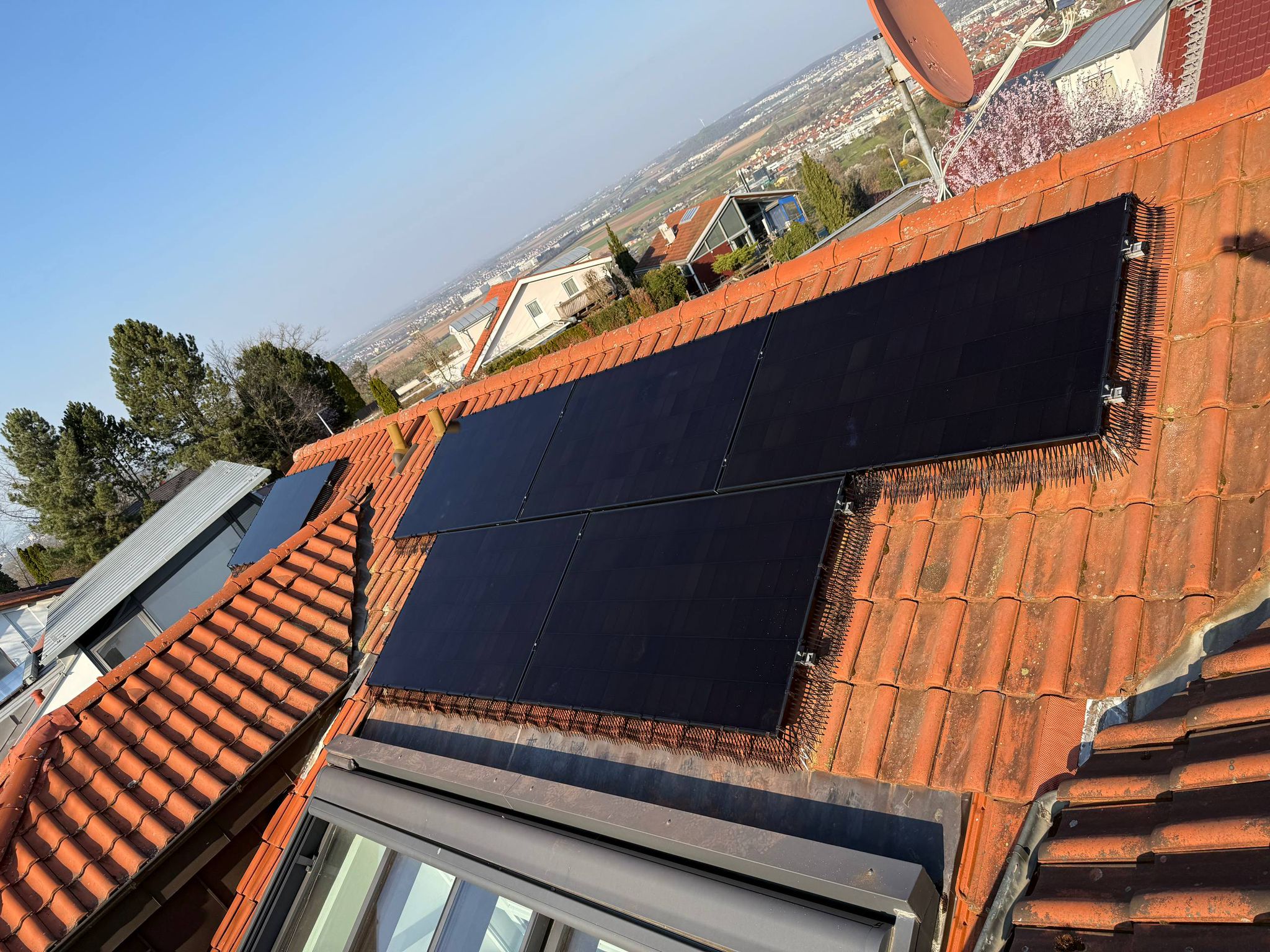
The economics of the question have not changed; the scale has. A pitched-roof module sits 10–15 cm above the roof surface, and that sheltered gap is attractive nesting habitat, particularly for urban pigeons. Nests block the ventilation gap, droppings accumulate on and under modules, and nesting material sits against cabling. Our earlier analysis of yield loss from droppings and soiling walks through how that translates into lost production; field observation from installers adds that nesting under pitched-roof modules is a recurring seasonal finding in urban and agricultural settings — no EU-wide statistics exist for this niche, but few service teams report the problem going away on its own.
By September, two nesting waves of the year have already passed. Arrays that went unprotected through spring now carry the season's residue into autumn inspections, which is exactly when the topic surfaces in maintenance reports and claim files.
Rules and Risk in Mid-2026
The regulatory backdrop is stable but worth restating, because it shapes timing. Under the EU Birds Directive (Directive 2009/147/EC, Article 5), member states maintain a general protection scheme for wild birds that covers deliberate destruction of nests and eggs. In practice, once a protected species has an active nest under a module, the realistic options narrow sharply until the brood has fledged. Prevention before nesting season remains the only approach that avoids the conflict entirely — a point we covered in depth in our comparison of pigeon proofing costs, methods and results.
On the risk side, broker feedback from 2025–2026 suggests some insurers have continued tightening animal-damage and gradual-damage clauses on PV policies; wordings vary widely, so the individual policy text — not a general rule — decides what is covered. Our guide on whether insurance covers solar panel damage explains which clauses to check and what documentation supports a claim.
From New Builds to Retrofits
The most consequential trend of the half-year sits on the demand side. Survey work by EUPD Research, published via pv magazine in February 2026, draws on responses from more than 7,900 German solar prosumers and finds residential demand increasingly driven by upgrades and complementary technologies on existing systems rather than first-time installations — with installers now expected to support retrofits as a matter of course.
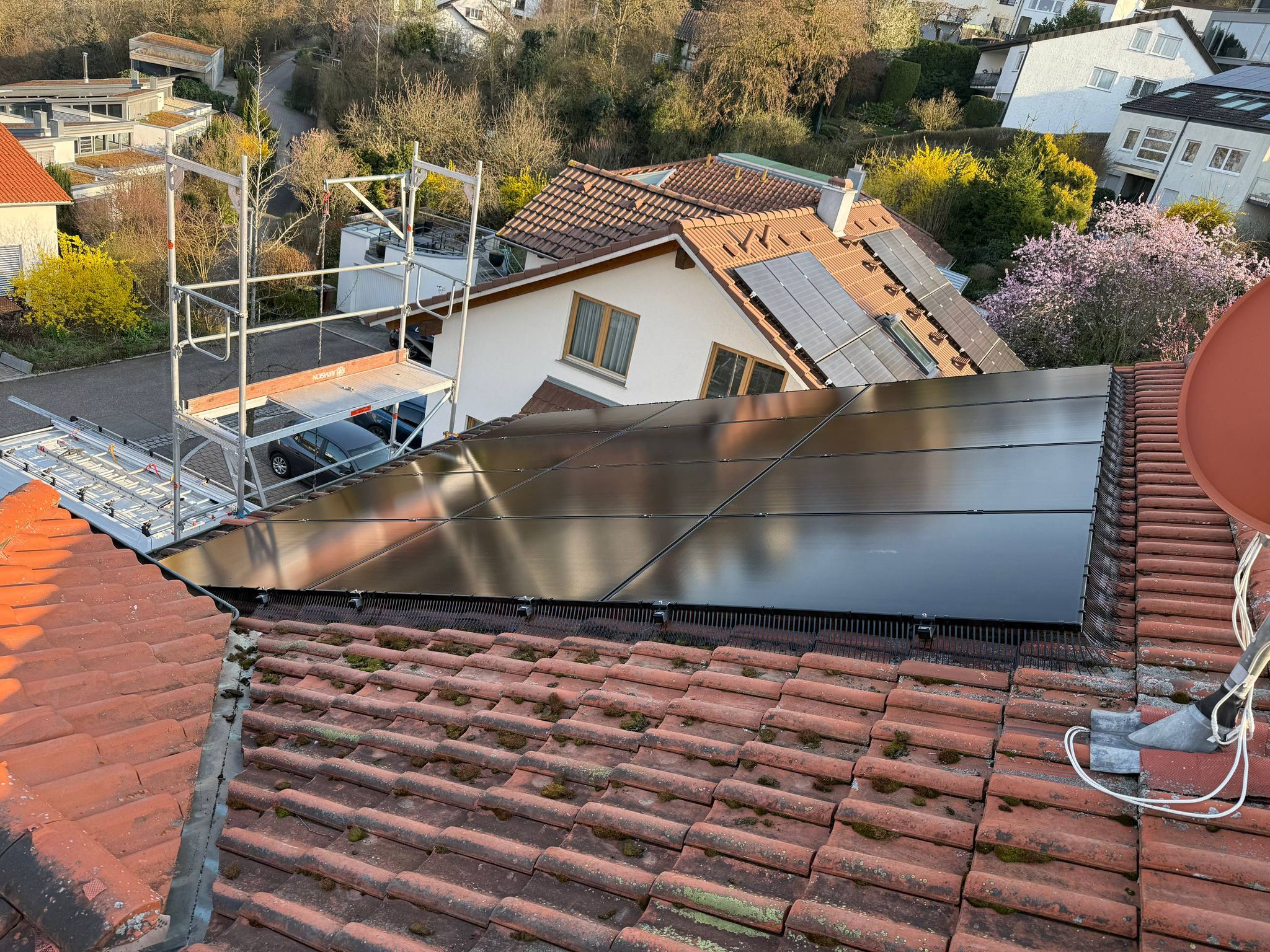
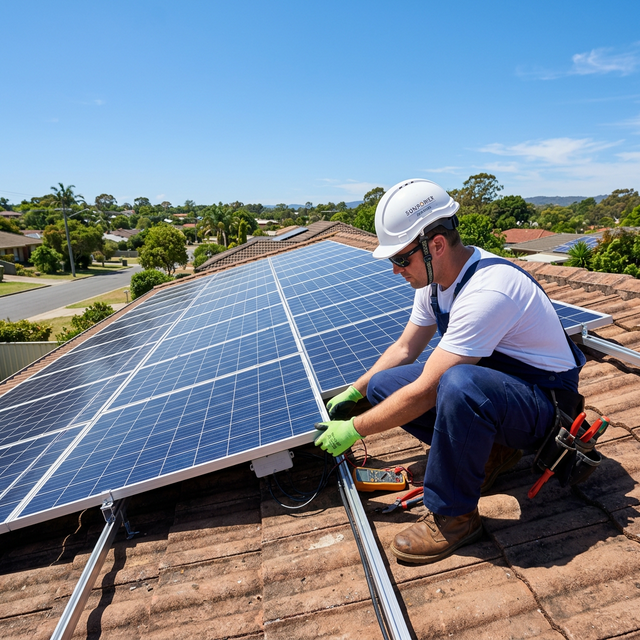
For installation businesses squeezed by fewer new-build orders, that points in a clear direction. The addressable roof is already out there: hundreds of gigawatts of it, much of it pitched, much of it several seasons old and never fitted with bird protection. Industry observation suggests retrofit bird-protection enquiries from O&M teams and EPCs have grown alongside the ageing fleet — there are no public market statistics for this accessory niche, but the logic is straightforward: a service visit that already includes cleaning and inspection can quote perimeter protection in the same trip, and the second visit becomes a one-stop upgrade.
What a Fleet-Ready System Looks Like
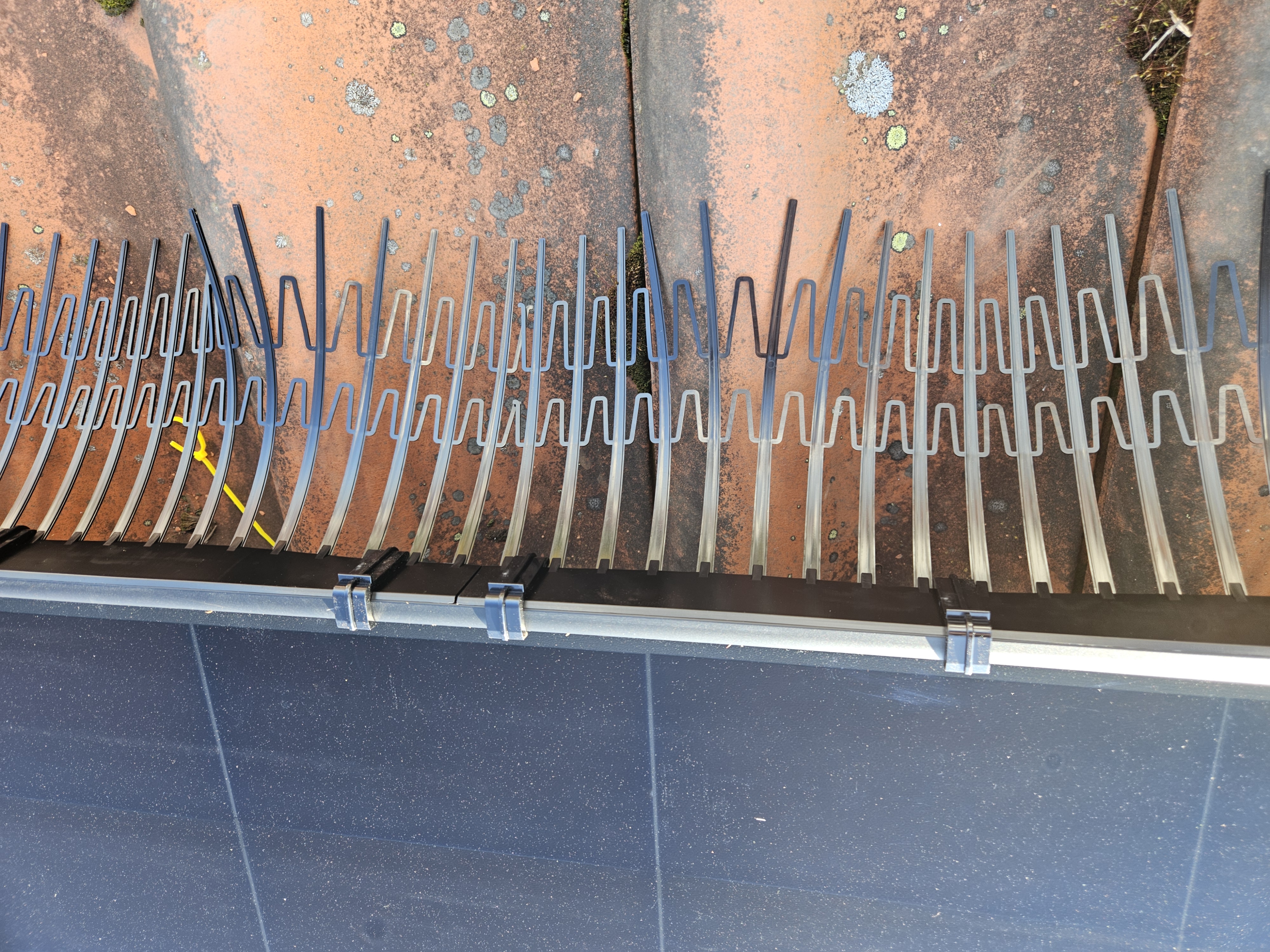
Retrofit work rewards components that install quickly and hold up for the remaining life of the array. PV Protector® approaches this with three parts: Perimeter Segments made of HDPE with UV stabilisers 944 and 622, fixed by C-Clips made of UV-stabilised PC+ABS for 30, 35 and 40 mm module frames, and secured with Cable Ties made of UV-stabilised PA66. The Segments come in 150 mm and 200 mm heights to match the gap between module edge and roof surface, install tool-free without drilling into frames or the roof skin, and are backed by a 10-year warranty. The system is designed for pitched roofs with a defined lower module edge; it is not intended for flat-roof ballasted systems, ground-mount or open-field plants.
A Short Checklist for the Rest of 2026
The remaining months of the year are the practical window between nesting seasons. Four actions cover most situations. Survey the fleet: flag pitched-roof arrays with open module edges, visible droppings or a nesting history. Pair protection with scheduled visits: quote perimeter protection alongside autumn cleaning and inspection rather than as a separate call-out. Document everything: photographs of the protected edge strengthen both the maintenance file and any future insurance conversation. And plan ahead of spring: arrays protected before the next nesting season start it with a closed perimeter instead of an eviction problem.
The EU market may install fewer gigawatts in 2026 than it did in 2024, but the fleet that needs protecting has never been larger. For installers and EPCs, learning to protect solar panels from birds at portfolio scale is one of the clearer opportunities the slowdown has produced.
Planning retrofit bird protection across a portfolio of pitched-roof arrays? Talk to the PV Protector® team about installer terms and project-volume orders.
SolarPower Europe — EU Market Outlook: 2025 target reached, market contraction ahead EUPD Research via pv magazine — residential demand shifts toward upgrades and retrofits Directive 2009/147/EC — EU Birds Directive Does insurance cover solar panel damage Bird droppings on solar panels — quantifying yield loss Pigeon proofing solar panels — costs, methods, results
Comments